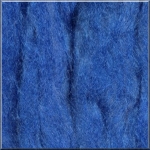
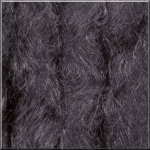
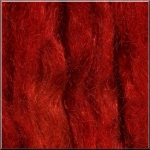
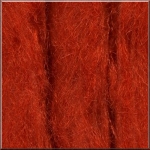
Nylon
is a generic name that covers a family of fibers forming poly amides. The
name nylon
has no meaning and
was chosen as it was short, catchy and hard to mispronounce. The official
chemical name for
nylon is polyhexamethleneadipamide. Du Pont de Nemours laboratories in
the United States
invented the process in 1928 and produced the first stocking in 1938. The
stocking (nylons)
where in short supply during the second world war as production of nylon
fibers went to military
needs.
Nylon
is made from two chemicals that forms a salt. This salt is dissolved in
water and heated
in large evaporators
until a concentrated solution is obtained. This is then put into a large
pressure cooker and
the heat combines the molecules of the two chemicals into one giant
chain like ones called
linear super polymers. This is the source of nylons strength and elasticity.
The mixture is allowed
toflow out of a slot onto a slow revolving cating wheel which is sprayed
with cold water. This
hardens the nylon into milky white opaque ribbons. These ribbons are then
chopped into flakes
and melted down and pushed through a spinneret to form a filature that
can
be spun or cut into
staples, it can then be crimped to resemble wool.
There
are hundreds of different types of nylon fibers, from Tri-lobal (bright
and shiny) to semi
dull to dull. Each
is available in a variety of thickness and colors. Nylon is a thermoplastic
and
has a melting point
of 250 degrees C and can be heat set. It has a very low moisture absorption
capacity, thus the
term drip dry. Nylon also dyes very easily.
Nylon
is extremely strong and has an inherent elastic quality that makes it ideal
for fabric one
its own or blended
with natural fibers. Spin nylon like it was wool.
Nylon
Glitter
Medium
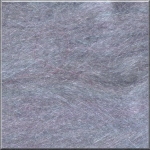
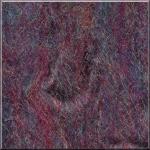
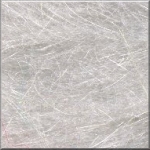
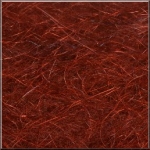
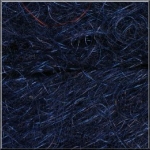
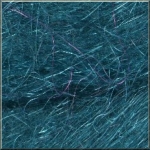
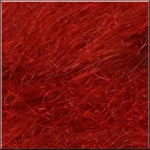
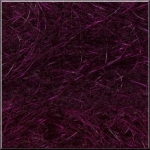
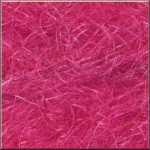
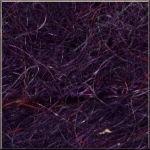
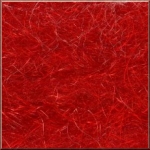
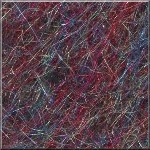
Colours:purple, red,
rust, mutli-colour, white
All Prices are in Canadian Dollars
plus shipping
Residents of Ontario subject to 8% Sales tax
All Canadian Orders subject to 7% GST
#873445811 RT0001
$7.00/100gms